EUR Deposits and Withdrawals
EUR support is one of the main factors for users in Europe. A practical exchange comparison should include SEPA transfers, SEPA Instant availability, card payments, EUR withdrawal speed, deposit costs, and payout limits.
TopExchanges.io helps European users compare crypto exchange sites, EUR-friendly trading platforms, and instant crypto exchangers in one place. This guide is built for people who want to buy, sell, trade, swap, or cash out digital assets with access to European payment routes and Germany-relevant exchange options.
The best crypto exchange in Europe depends on the user’s country, currency route, and transaction goal. Some users need EUR deposits, EUR withdrawals, SEPA transfers, account-based trading, and a platform with clear European access. Others need a simpler route for crypto swaps, fiat-related exchange, or direct wallet payout without using a full trading terminal.
For Germany, users should also compare local availability, BaFin-related disclosures, KYC rules, EUR routes, payment methods, fees, asset support, and whether the provider clearly explains how it serves German users.
The table below compares crypto exchange sites for European and German users by their main use case. Some platforms focus on EUR deposits, SEPA transfers, account-based trading, and regulated European access. Others are better suited for direct exchange routes, crypto-to-crypto swaps, or fiat-related transactions without a full trading setup.
European users should compare more than the advertised trading fee. SEPA support, card charges, spreads, withdrawal costs, KYC requirements, country availability, and route limits can all affect the final result.
| Rank | Exchange Site | Best For | Main Strength |
|---|---|---|---|
| 1 | Kraken | EUR support and security-focused trading | EUR routes, SEPA support, strong security reputation, advanced tools |
| 2 | Quickex | Instant crypto and fiat exchange without registration or KYC | Direct exchange flow, crypto-to-crypto routes, fiat-related options, fixed and floating rates |
| 3 | Bitpanda | European users and simple EUR access | Europe-focused platform, EUR payments, beginner-friendly buying flow |
| 4 | Coinbase Europe | Beginners and EUR purchases | Simple interface, fiat access, account-based buying |
| 5 | Bitvavo | Low-fee EUR trading in selected European markets | EUR support, simple trading flow, European market focus |
| 6 | BISON | Germany-focused crypto buying | German market focus, simple app-based access |
| 7 | BSDEX | Germany-based exchange access | German exchange environment, account-based trading |
| 8 | Crypto.com | App-based crypto access | Mobile app, fiat features, card products, crypto payment tools |
| 9 | OKX Europe | Active trading and global markets | Trading tools, broad asset coverage, market access |
| 10 | eToro Europe | Investing-style crypto access | Simple interface, multi-asset investing experience |
For European users, the right exchange often depends on EUR support, SEPA availability, country access, verification level, and whether the user needs a trading account or a direct exchange route.
Germany-focused and Europe-focused platforms can be useful for users who want local payment access and a familiar account-based flow. Global platforms may appeal to users who need broader tools, app-based access, or deeper markets. Instant crypto exchangers can be useful when the user wants a shorter transaction route for a specific crypto or fiat-related exchange.

Choosing a crypto exchange in Europe is not only about brand recognition. European users should compare EUR support, SEPA transfers, country availability, verification requirements, fees, supported assets, cash-out options, security, and the type of exchange flow they need.
For German users, the comparison should also include local access, BaFin-related information, MiCA-related disclosures, EUR payment routes, and whether the provider clearly explains its availability for Germany.
| Factor | What European and German Users Should Check |
|---|---|
| EUR support | Whether the platform supports EUR deposits, purchases, withdrawals, or payout routes |
| SEPA transfers | Whether users can fund or cash out through SEPA or SEPA Instant where supported |
| Country access | Whether the exchange supports the user’s country, including Germany |
| MiCA / CASP status | Whether the provider explains its EU regulatory position where applicable |
| BaFin relevance | Whether the provider gives clear information for German users where relevant |
| KYC rules | Whether identity verification is required before buying, selling, trading, or withdrawing |
| Fees and spreads | Trading fees, swap fees, card fees, withdrawal fees, network costs, and spread markup |
| Supported assets | Bitcoin, Ethereum, USDT, USDC, XRP, SOL, TRX, and other digital assets |
| Cash-out options | Whether users can sell crypto and receive EUR payout |
| Limits | Minimum and maximum transaction amounts, funding limits, withdrawal limits, and route limits |
| Security | Two-factor authentication, withdrawal controls, custody model, risk checks, and reputation |
| Exchange type | Centralized exchange, instant crypto exchanger, broker, fiat gateway, or decentralized exchange |
EUR support is one of the main factors for users in Europe. A practical exchange comparison should include SEPA transfers, SEPA Instant availability, card payments, EUR withdrawal speed, deposit costs, and payout limits.
European crypto services operate in a changing regulatory environment under MiCA. Users should check whether a provider explains its EU authorisation position, country availability, and service limits clearly before creating an account or sending funds.
Germany has a more specific local compliance environment than many general European markets. German users should check whether the exchange clearly supports Germany, whether EUR routes are available, and whether the provider explains its regulatory position in a transparent way.
The cheapest crypto exchange in Europe is not always the one with the lowest headline fee. Spreads, SEPA costs, card charges, network fees, withdrawal costs, and route-specific limits can change the final EUR amount the user pays or receives.
European users often compare exchanges for very different reasons. A user in Germany may care about EUR withdrawals and local access, while a user in Portugal, Spain, France, Italy, or the Netherlands may focus on SEPA transfers, card purchases, supported assets, or a simple mobile buying flow.
The better fit depends on the action: buying crypto with EUR, selling crypto back to a bank account, trading actively, or completing a direct exchange without using an order book.
| Use Case | Better Fit |
|---|---|
| Best for EUR support and security-focused trading | Kraken |
| Best for instant crypto and fiat exchange | Quickex |
| Best for simple European crypto buying | Bitpanda |
| Best for beginners buying with EUR | Coinbase Europe |
| Best for low-fee EUR trading in selected markets | Bitvavo |
| Best for Germany-focused app access | BISON |
| Best for German exchange environment | BSDEX |
| Best for app-based crypto use | Crypto.com |
| Best for active trading tools | OKX Europe |
| Best for investing-style crypto access | eToro Europe |
A Europe-focused exchange can be useful when the user wants EUR support, SEPA routes, and a familiar account-based flow. A Germany-focused service may be more relevant when the user wants local positioning and clearer access for German residents. A direct exchange service can be more practical when the user already knows the exchange direction and wants a shorter route between crypto and fiat or between two digital assets.
Most European users compare crypto exchanges around three practical actions: buying crypto with EUR, selling crypto for EUR, and swapping one digital asset for another. These routes can work differently even on the same platform, especially when payment providers, country availability, SEPA processing, card payments, and verification levels are involved.
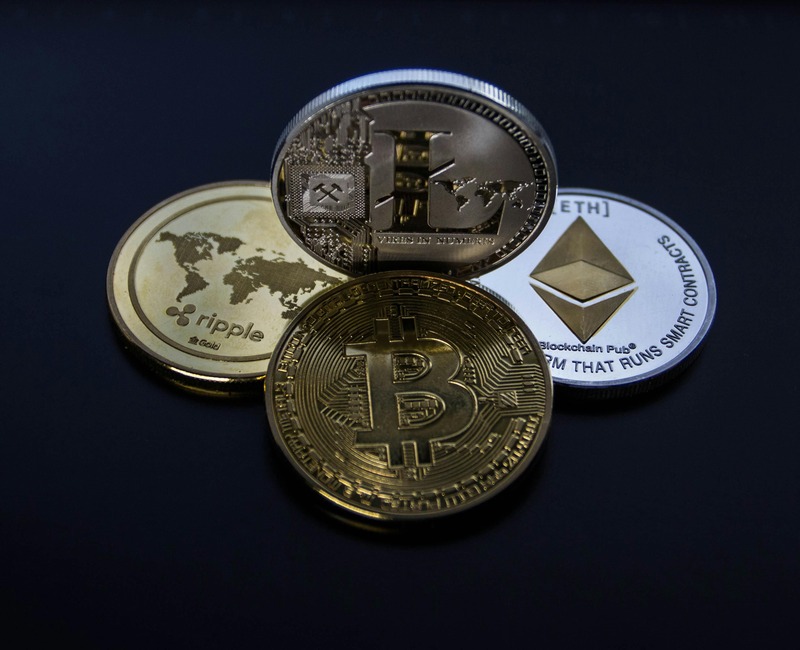
Buying crypto with EUR usually depends on the selected payment method. European users may compare SEPA transfers, SEPA Instant, debit card purchases, credit card routes, bank payments, and third-party fiat providers.
A card purchase may be faster, but it can include higher fees or a wider spread. A SEPA transfer may be cheaper, but processing time and availability can vary by bank, country, and platform.
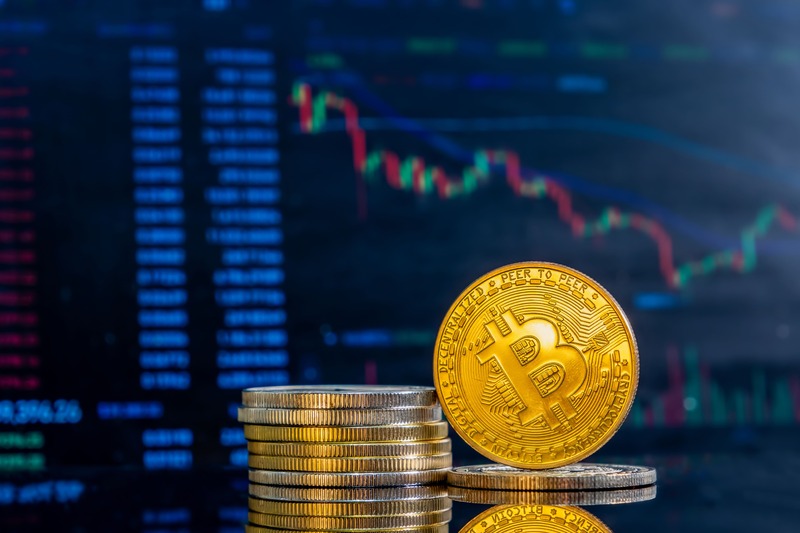
Selling crypto for EUR requires users to check payout methods before starting. Some exchanges support direct EUR withdrawals to a bank account. Others may use payment partners, account balances, or route-specific payout options.
The important details are payout speed, withdrawal fee, supported bank route, transaction limit, and whether additional verification is required before cashing out.
Some users do not need active trading tools. They only need to convert BTC to ETH, USDT to BTC, TRX to USDT, or another asset pair. In that case, the most useful factors are supported networks, visible rate, expected payout, processing speed, and whether the exchange flow is clear before funds are sent.
A low-fee crypto exchange in Europe should be judged by the final amount paid or received, not only by the trading fee shown on a pricing page. For EUR users, the real cost can include SEPA fees, card charges, spreads, withdrawal costs, payment provider fees, and blockchain network fees.
The cheapest route can change depending on the transaction. A platform may be attractive for EUR bank deposits but less suitable for instant card purchases. Another service may work well for swaps but not for fiat withdrawals. European users should compare the full route from payment method to final payout.
| Fee or Route Factor | Why It Matters |
|---|---|
| SEPA deposit | Can be cheaper than card purchases, but timing may vary |
| SEPA Instant | Useful when faster EUR transfers are supported |
| Card fee | Can increase the cost of instant EUR purchases |
| Spread | Affects the final buy or sell price even when the fee looks low |
| Trading fee | Applies when using an exchange market or order book |
| EUR withdrawal fee | Important when selling crypto and cashing out |
| Network fee | Applies when crypto is transferred on-chain |
| Currency conversion | Can apply when the route is not fully EUR-based |
| Route limits | Minimums, maximums, and provider restrictions can change usability |
For European users, the best fee comparison starts with the final result: how much crypto is received after buying, or how much EUR is received after selling. A low trading fee is useful, but it does not always mean the lowest total cost once spreads, transfer fees, and withdrawal rules are included.
Crypto exchange access in Europe is increasingly shaped by EU-level rules, local country access, payment partners, and platform risk controls. For users, this usually affects account verification, fiat payments, supported products, cash-out routes, and the way a service presents its regulatory status.
MiCA creates a common regulatory framework for crypto-asset service providers across the EU, but users should still check each platform’s own disclosures. Availability can differ by country, transition period, licence status, payment route, asset type, and service category.
For German users, local access is especially important. A platform may support EUR payments in parts of Europe but still apply specific conditions for Germany, BaFin-related disclosures, or product restrictions.
| Checkpoint | Why It Matters |
|---|---|
| EU availability | Some platforms may restrict countries, products, or payment routes |
| MiCA / CASP information | Users should check how the provider explains its EU regulatory position |
| Germany access | German users should confirm whether the service clearly supports Germany |
| BaFin-related information | Relevant when a provider presents services for German users |
| KYC level | Verification may be required before EUR payments, withdrawals, trading, or higher limits |
| SEPA support | Not every platform supports SEPA deposits or EUR payouts |
| Asset restrictions | Some coins, products, staking, derivatives, or leverage features may be limited |
| Risk information | Users should read provider terms, warnings, and route details before using any service |
Kraken and Bitpanda are often compared by European users because they represent two common paths: security-focused global exchange access and a Europe-focused buying experience. The better choice depends on whether the user needs SEPA funding, active trading tools, simple EUR purchases, country-specific access, or a direct exchange route.
Germany adds another layer to the comparison. Services such as BISON and BSDEX are often considered by users who want Germany-focused crypto access, while platforms such as Bitvavo, Coinbase Europe, Crypto.com, OKX Europe, and eToro Europe may fit different needs across the wider European market.
| User Goal | Possible Fit |
|---|---|
| EUR support and security-focused trading | Kraken |
| Simple European crypto buying | Bitpanda |
| Low-fee EUR trading in selected markets | Bitvavo |
| Beginner EUR purchases | Coinbase Europe |
| Germany-focused app access | BISON |
| German exchange environment | BSDEX |
| App-based crypto use | Crypto.com |
| Active trading tools | OKX Europe |
| Investing-style crypto access | eToro Europe |
| Direct exchange flow | Quickex |
European users should compare exchanges by country and transaction route first. A platform that works well for SEPA deposits may not be the best fit for instant card purchases, direct swaps, crypto-to-EUR cash-out, or Germany-specific access.
The best crypto exchanges in Europe depend on the user’s country, EUR route, payment method, verification level, and transaction goal. Kraken, Bitpanda, Coinbase Europe, Bitvavo, Crypto.com, OKX Europe, eToro Europe, BISON, BSDEX, and instant exchange services are often compared by EUR support, fees, security, and usability.
Top crypto exchanges in Europe usually include EUR-friendly trading platforms, app-based crypto services, country-specific providers, and direct exchange options. European users should compare SEPA support, EUR withdrawals, KYC rules, supported assets, and country availability before choosing a service.
The best crypto exchanges in Germany depend on local access, EUR payment routes, asset support, platform type, and how clearly the provider explains its availability for German users. BISON, BSDEX, Bitpanda, Kraken, Coinbase Europe, and other services are often compared by German users.
Yes, many crypto platforms support EUR purchases through SEPA transfers, SEPA Instant, card payments, bank transfers, or provider-supported fiat routes. Availability can depend on the country, payment method, verification level, platform, and selected asset.
Yes, many services allow users to sell crypto for EUR. Before selling, users should check payout routes, withdrawal fees, processing speed, limits, supported banks, and whether additional verification is required.
SEPA is a European bank transfer system used by many platforms for EUR deposits and withdrawals. Some services also support SEPA Instant, but availability can vary by bank, provider, country, account status, and transaction route.
Many account-based crypto exchanges require KYC before fiat payments, trading, withdrawals, or higher limits. Verification requirements can vary by provider, payment route, amount, country, and exchange type.
MiCA is the EU regulatory framework for crypto-asset service providers. Users should check each provider’s disclosures, authorisation status, country availability, and service limits rather than assuming that every crypto platform has the same regulatory position.
German users should check current availability, product access, payment methods, and restrictions directly before using any global exchange. Access can change because of local regulatory conditions, platform decisions, and service limitations.
Crypto assets and exchange services involve risk. Prices can move quickly, transactions may be irreversible, fees can change, and access can vary by country. European and German users should review provider terms, risk notices, route details, and final quotes before starting a transaction.
TopExchanges.io publishes comparison content for users researching crypto exchange sites in Europe and Germany. The information is provided for general research and does not provide financial, investment, tax, legal, securities, or regulatory advice.
Crypto services in Europe can vary by country, provider, MiCA transition status, local rules, payment partner, verification level, EUR route, selected asset, and transaction size. A service that supports one European country may not offer the same products, payment methods, or limits in Germany or another EU market.
Crypto assets are volatile, and exchange transactions can involve spreads, changing rates, blockchain fees, payment delays, failed transfers, product restrictions, or irreversible wallet transfers. Users should check the selected provider’s terms, risk warnings, eligibility rules, fees, limits, and final quote before sending funds or starting an exchange.